

Stop Vehicle Repossession in Virginia — Complete Guide
Quick Answer
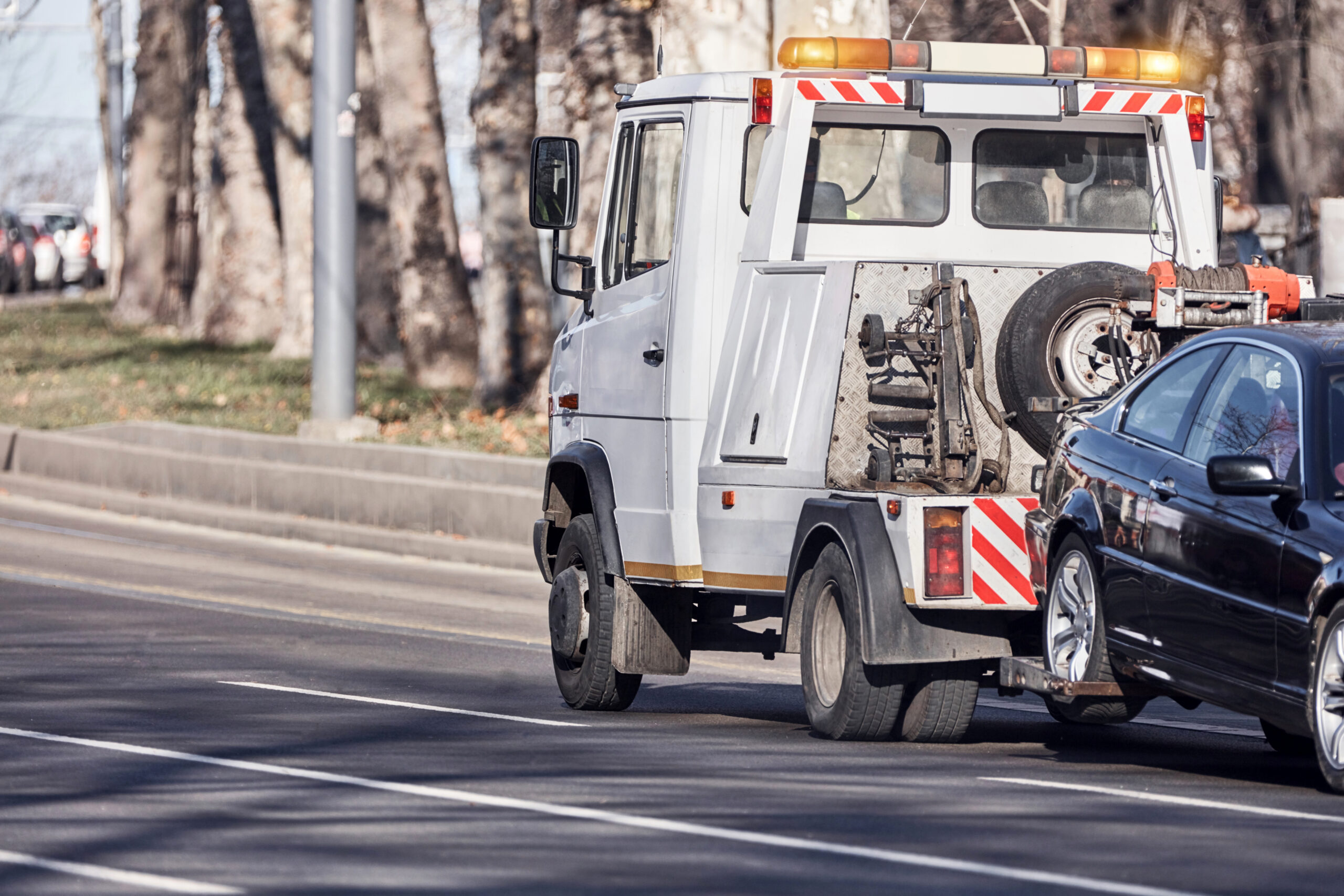
In Virginia, a lender can repossess your vehicle after just one missed payment with as little as 10 days’ written notice. Filing bankruptcy stops a repossession immediately through the automatic stay — even if the tow truck is already on the way.
Bankruptcy can also help you get a repossessed vehicle back if it was taken recently, reduce what you owe on the loan through a cramdown, or eliminate the deficiency balance after a sale.
By John G. Merna, Esq. | Last Reviewed: June 2026 | The Merna Law Group, P.C.
Few financial emergencies hit as suddenly as a vehicle repossession. In Virginia, lenders move quickly, the law gives borrowers limited advance notice, and losing a vehicle can immediately threaten your ability to get to work. This guide explains Virginia’s repossession laws, your rights as a borrower, and what legal options are available to stop or reverse a repossession.
How Vehicle Repossession Works in Virginia
File From Home — No Office Visit Required
Free phone consultation • Secure document portal • Zoom 341 meeting. Serving all of the Eastern District of Virginia — including deployed military, rural clients, and anyone who values their time.
Virginia follows UCC Article 9 for secured transactions, which governs how lenders can repossess collateral — including vehicles — when borrowers default on a loan. When you finance a vehicle, the lender holds a security interest in the title. If you miss payments or otherwise default on the loan agreement, the lender has the right to repossess that collateral.
Unlike some states, Virginia law generally does not require the lender to obtain a court order before repossessing your vehicle. The process can happen quickly and with little warning.
Virginia Repossession Law — What Lenders Must and Cannot Do
The 10-Day Written Notice Requirement
Before repossessing a vehicle, Virginia law requires the lender to provide you with written notice at least 10 days in advance informing you of the default and the potential for repossession if the overdue balance is not paid. This notice must be sent by first-class mail. The purpose is to give you an opportunity to cure the default and keep the vehicle before it is taken.
If the lender fails to send this notice, they cannot collect repossession and sale costs from you — though the right to repossess itself may still exist.
No Breach of the Peace
A repossession agent may come onto your property to take the vehicle but cannot breach the peace in doing so. Specifically, a repossession agent in Virginia cannot:
- Remove a vehicle from a locked garage without your permission
- Use or threaten physical force
- Break locks, cut chains, or damage property to access the vehicle
- Take the vehicle over your explicit objection in person
- Make threats or create a confrontation to complete the repossession
If a repossession agent breaches the peace during the seizure, the lender may face legal liability and the breach may become a defense available to you. Contact our office immediately if you witnessed or experienced an unlawful repossession.
Notice Before Sale
After repossessing your vehicle, the lender must notify you in writing at least 10 days before the intended sale date. This notice must state that the loan is in default, describe your right to cure by paying the full amount owed, and provide information about the planned sale. This window gives you one final opportunity to redeem the vehicle before it is sold.
The Sale and Deficiency Balance
The lender must conduct the sale in a commercially reasonable manner. Any proceeds from the sale are applied to your outstanding loan balance plus allowable repossession and sale costs. If the sale price is more than you owe, you are entitled to the surplus. If it is less, the lender can pursue you for the remaining deficiency balance in a separate lawsuit.
Important: A deficiency balance after vehicle repossession is unsecured debt — the same type of debt that can be permanently discharged in Chapter 7 bankruptcy. If your vehicle has already been repossessed and sold, bankruptcy may eliminate the deficiency entirely.
How to Stop a Vehicle Repossession in Virginia
Option 1 — File Bankruptcy (Immediate Stop)
Filing bankruptcy is the fastest and most complete legal tool to stop a repossession. The moment your bankruptcy petition is filed with the court, the automatic stay under 11 U.S.C. § 362 activates. All repossession activity must stop immediately — even if the tow truck is already dispatched.
Chapter 13 is often the better option when your goal is to keep the vehicle. Beyond stopping the repossession, Chapter 13 lets you:
- Catch up on missed payments through the repayment plan
- Reduce the loan balance to the vehicle’s current fair market value if you have owned it for the required period before filing (cramdown under 11 U.S.C. § 1325(a)(5))
- Potentially reduce the interest rate on the loan
- Keep the vehicle for the full three-to-five year plan period and beyond
Chapter 7 stops the repossession through the automatic stay, but because Chapter 7 does not restructure secured debt through a repayment plan, you will need to reaffirm the loan (agree to remain personally liable) or redeem the vehicle (pay its current market value in a lump sum) to keep it long-term. The benefit of Chapter 7 is that it simultaneously discharges other unsecured debt, potentially freeing up income to afford the car payment going forward.
Option 2 — Reinstate the Loan
If you have received the 10-day notice but the vehicle has not yet been repossessed, you can stop the repossession by paying all overdue amounts — missed payments, late fees, and any allowable costs — before the repossession date. This reinstates the loan and keeps the vehicle on the original terms.
If the vehicle has already been repossessed and you are within the 10-day window before sale, you may be able to redeem it by paying the full outstanding loan balance in a lump sum. This is rarely practical without access to significant funds, but worth confirming with an attorney.
Option 3 — Negotiate with the Lender
Some lenders will negotiate a payment arrangement or temporary forbearance before completing a repossession, particularly if you have a history of on-time payments or can demonstrate that the default was caused by a temporary hardship. Contact the lender’s loss mitigation or customer service department directly — not the collections department — and document every communication in writing.
This option works best as a first step when you catch the situation early, before the repossession has been triggered. Once the vehicle is taken, the lender’s leverage increases and negotiation becomes more difficult.
Can You Get a Repossessed Vehicle Back?
Yes, in certain circumstances. If your vehicle was repossessed very recently and a bankruptcy case is filed before the sale occurs, the lender may be required to return the vehicle as part of the bankruptcy proceedings. The trustee can demand the return of recently seized property under certain conditions.
The timing is critical. Once the vehicle is sold at auction, recovery becomes extremely difficult. If your vehicle was just repossessed, contact our office immediately at 1-800-662-8813.
Alert
There are additional exemptions for Virginia residents under real estate law, federal law, and other state laws. For this reason it is advisable that you contact an attorney to fully understand the protection available for your property.
What About the Deficiency Balance After Repossession?
After a vehicle is sold at auction, the lender applies the sale proceeds to your loan balance. If the proceeds do not cover the full amount owed, the difference is a deficiency. The lender can sue you for this amount as an unsecured debt.
Deficiency balances after vehicle repossession are among the most common unsecured debts we see at Merna Law — and they are fully dischargeable in a Chapter 7 bankruptcy. If your vehicle has already been sold and the lender is pursuing the deficiency, bankruptcy can permanently eliminate that obligation.
The Chapter 13 Cramdown — Reducing What You Owe on Your Car
One of the most powerful tools in Chapter 13 bankruptcy for vehicle owners is the cramdown. If you financed your vehicle more than 910 days before filing bankruptcy (approximately two and a half years) and you owe more than the car is currently worth, Chapter 13 allows you to reduce the loan balance to the vehicle’s current fair market value (11 U.S.C. § 1325(a)(5)).
The portion of the loan above market value is reclassified as unsecured debt — treated like a credit card balance rather than a secured obligation. This means:
- Your monthly car payment decreases significantly
- The interest rate on the secured portion can also be reduced to a court-approved rate
- The above-market balance is discharged at the end of the plan along with other unsecured debt
For example, if you owe significantly more on a vehicle than it is worth and have owned it long enough to qualify, a cramdown can transform an unaffordable payment into one you can manage — while keeping the vehicle.
Frequently Asked Questions — Vehicle Repossession in Virginia
How many payments can I miss before my car is repossessed?
Technically, Virginia law allows repossession after a single missed payment if your loan contract defines that as a default — though most lenders do not act that quickly. The lender must provide 10 days’ written notice before repossessing, giving you a window to bring the account current. The specific terms of your loan contract govern when default occurs, so reviewing your contract is important.
Can the repossession agent take my car from my driveway at night?
Yes. Virginia repossession agents can take a vehicle from an unlocked driveway, parking lot, or public street at any time of day or night, without giving you real-time notice of the seizure. They cannot remove a vehicle from a locked garage without permission and cannot breach the peace to complete the repossession.
How does bankruptcy stop a repossession?
The automatic stay under 11 U.S.C. § 362 activates the moment your bankruptcy petition is filed. The lender and all agents acting on its behalf must immediately stop all repossession activity. If the vehicle has not yet been taken, the lender cannot take it. If it was taken very recently and before the sale, the lender may be required to return it.
Can I keep my car in Chapter 7 bankruptcy?
Yes, in most cases. You can keep a vehicle in Chapter 7 by reaffirming the loan — agreeing to remain personally liable and continuing payments — or by redeeming it at its current fair market value in a lump sum. The vehicle exemption under Va. Code § 34-26(8) also protects equity in the vehicle up to the limit set under that section. If your equity is within the exemption, the trustee has no interest in the vehicle.
What happens to the deficiency after my car is sold?
The lender applies the auction proceeds to your loan balance and can sue you for any remaining deficiency as an unsecured debt. A Chapter 7 bankruptcy filed after the sale can permanently discharge this deficiency balance. A Chapter 13 filing before the sale stops the repossession and addresses the entire loan — including any above-market balance through a cramdown.
Can I get my vehicle back after it has been repossessed?
Possibly, if you act quickly. Before the sale occurs, you may be able to redeem the vehicle by paying the full loan balance, or — if you file bankruptcy before the sale — the lender may be required to return the vehicle as part of the automatic stay. Once the vehicle has been sold, recovery becomes very difficult. Time is critical. Call 1-800-662-8813 immediately if your vehicle was just repossessed.
Will a vehicle repossession hurt my credit?
Yes. A repossession is a significant negative credit event that typically remains on your credit report for seven years. The deficiency balance, if pursued as a judgment, can extend the negative impact further. Addressing the underlying debt through bankruptcy can stop additional credit damage and begin the rebuilding process.
Talk to a Virginia Vehicle Repossession Attorney — Free Consultation
If your vehicle has been repossessed or you have received a repossession notice, time matters. Our attorneys have helped thousands of Virginia residents in Virginia Beach, Newport News, Richmond, Norfolk, Chesapeake, and Hampton stop repossessions, recover vehicles, and eliminate deficiency balances through bankruptcy.
We offer free consultations by phone or video. The entire bankruptcy process can be completed without leaving your home through our virtual filing program. Call 1-800-662-8813 or book online. Everything you share is completely confidential.
Last reviewed by John G. Merna, Esq. | June 2026 | The Merna Law Group, P.C. is a debt relief agency. We help people file for bankruptcy relief under the Bankruptcy Code.
Related Articles
Related Bankruptcy Help
Behind on a car loan? Learn how bankruptcy treats car title loans, or find a bankruptcy attorney near you. Worried about the cost? Ask about our bankruptcy payment plans.
Repossession Bankruptcy Lawyer Near Me
Need a “car repossession lawyer near me” or vehicle repossession attorney in Virginia? Filing bankruptcy stops repossession through the automatic stay, and Chapter 13 can help you keep your vehicle while you catch up. Merna Law handles your case by phone, portal, and Zoom anywhere in Virginia — no office visit — so a repossession bankruptcy lawyer near you is just a call away. Bankruptcy lawyer near me →