Title Loans and Bankruptcy in Virginia — Stop Repossession | Merna Law
TITLE LOANS & BANKRUPTCY
Quick Answer
Yes, bankruptcy can help with a car title loan in Virginia. Filing immediately stops repossession through the automatic stay. In Chapter 7 you can discharge what you owe and surrender the car, or keep paying to hold onto it. In Chapter 13 you can often reduce the balance to the car’s actual value and lower the sky-high interest rate, paying it off over three to five years. Which path is best depends on whether you want to keep the vehicle. Free consultation: 1-800-662-8813.
By John G. Merna, Esq. | Last Reviewed: June 2026 | The Merna Law Group, P.C.
Car title loans are one of the fastest ways for a short-term cash crunch to turn into a long-term crisis. The interest is staggering, the balance barely moves, and the lender can take the one thing you need to get to work — your car. If a title loan is dragging you under, bankruptcy may offer more relief than you think. This page explains how title loans are treated in Chapter 7 and Chapter 13, how filing stops repossession, and how Virginia borrowers can sometimes cut what they owe dramatically.
Why Title Loans Are So Hard to Escape
A title loan is a secured debt: you borrow against your vehicle and hand the lender a lien on your title. Interest rates are extraordinarily high, so a loan of a few thousand dollars can cost far more over time, and many borrowers end up renewing or “rolling over” the loan repeatedly without ever reducing the principal. Because the loan is secured by your car, missing payments gives the lender the right to repossess — leaving you without transportation and still potentially owing a balance. Refinancing rarely helps. Bankruptcy, by contrast, can stop the cycle entirely.
Does Bankruptcy Stop a Title Loan Repossession?
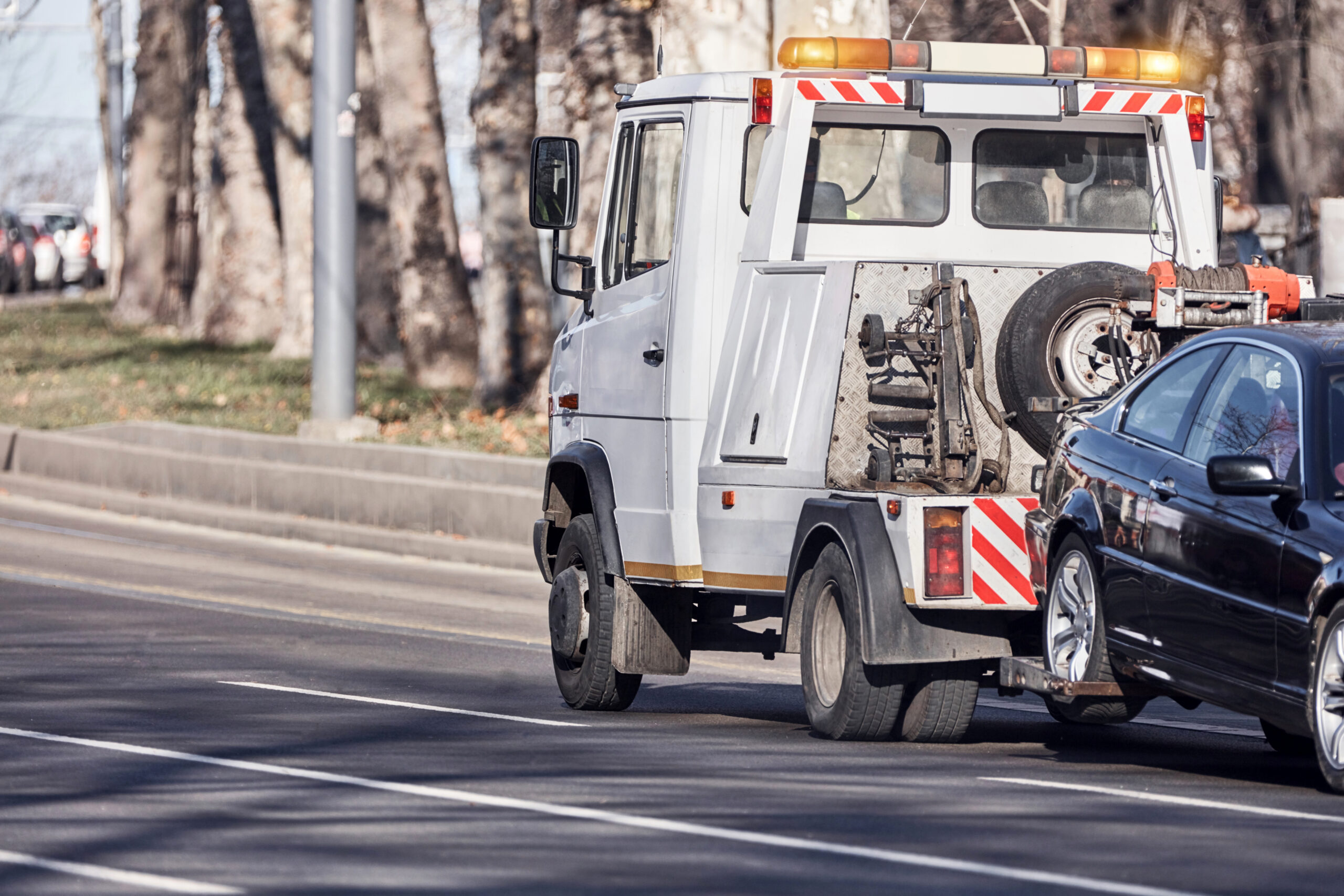
Yes. The moment your case is filed, the automatic stay under federal law legally halts collection and repossession activity — including a title lender preparing to tow your car. If the vehicle was already repossessed very recently, prompt filing can sometimes help you recover it. Stopping the immediate threat buys you the breathing room to choose the right long-term strategy rather than reacting in a panic. See our repossession page for more on how the stay protects your vehicle.
Title Loans in Chapter 7
In Chapter 7, your personal obligation to repay the title loan is discharged — meaning the lender cannot pursue you for the money. The lien on your car, however, survives the discharge, so you have choices. You can surrender the vehicle and walk away owing nothing, which makes sense if the loan dwarfs the car’s value. You can redeem the car by paying the lender its current value in a lump sum — often far less than the balance. Or you can keep making payments to hold onto the car. For many borrowers who are upside-down on a title loan, surrendering the vehicle and discharging the debt is a clean way out. Our Chapter 7 guide explains who qualifies.
Title Loans in Chapter 13 — Reducing What You Owe
Chapter 13 is often the most powerful option for a borrower who wants to keep the car. Because a title loan is not a purchase-money loan — you already owned the vehicle before you borrowed against it — the law generally allows a Chapter 13 plan to “cram down” the debt to the car’s actual market value, regardless of how long ago you took the loan. The amount above the car’s value is treated as unsecured and is often paid only pennies on the dollar, and the interest rate can usually be reduced to a reasonable court-approved rate. You repay the reduced secured amount over three to five years while keeping the car and stopping repossession. Your attorney will confirm how cramdown applies to your situation — see our Chapter 13 guide.
STOP REPOSSESSION IMMEDIATELY
The automatic stay halts a title lender the moment you file — even if a tow was scheduled for that day.
DISCHARGE THE DEBT (CHAPTER 7)
Wipe out what you owe and surrender the car, or redeem it for its current value — often a fraction of the balance.
CRAM DOWN THE BALANCE (CHAPTER 13)
Because a title loan is not purchase-money debt, Chapter 13 can often reduce it to the car’s value and cut the interest rate.
A Title Lender Threatening Your Car?
Call before they tow. Filing can stop repossession the same day, and we will map out the option that keeps the most money in your pocket.
Which Option Is Right for You?
The best path depends on a few simple questions: Do you need to keep this particular car? Is the loan balance far higher than the vehicle is worth? Do you have steady income to support a Chapter 13 plan? If the car is not worth saving, Chapter 7 lets you discharge the debt and move on. If the car is essential and you have income, Chapter 13’s cramdown can let you keep it for far less than the lender is demanding. At your free consultation, Merna Law will run the numbers both ways and tell you honestly which makes more sense.
Title Loans and Bankruptcy — FAQ
Can bankruptcy get rid of a title loan?
Yes. Chapter 7 discharges your personal obligation on the loan; you can surrender the car to owe nothing, or pay the car’s value to keep it. Chapter 13 can reduce the balance to the vehicle’s value and lower the interest, paid over three to five years.
Will I lose my car if I file bankruptcy with a title loan?
Not necessarily. If you want to keep the car, Chapter 13 lets you do so — often at a reduced balance — while stopping repossession. In Chapter 7 you can keep the car by redeeming it or continuing payments, or surrender it and discharge the debt.
Can Chapter 13 lower my title loan balance?
Often, yes. Because a title loan is not a purchase-money loan, a Chapter 13 plan can usually cram the secured portion down to the car’s market value and reduce the interest rate, with the rest treated as unsecured debt. Your attorney will confirm based on your facts.
Does bankruptcy stop title loan repossession?
Yes. The automatic stay takes effect the instant you file and legally stops a title lender from repossessing your vehicle. Acting quickly is important if a repossession is imminent.
Talk to a Virginia Bankruptcy Attorney
You do not have to keep feeding a title loan that never shrinks. Merna Law will explain exactly how Chapter 7 and Chapter 13 treat your loan and handle every step by phone and Zoom, anywhere in Virginia. Explore our Chapter 7 and Chapter 13 guides, or find help in your area on our Online Bankruptcy Virginia page.
Worried about the cost of filing? Ask about our bankruptcy payment plans — affordable filing with low money down.